International Council for Harmonisation
The International Council for Harmonisation of Technical Requirements for Pharmaceuticals for Human Use (ICH) is unique in bringing together the regulatory authorities and pharmaceutical industry to discuss scientific and technical aspects of pharmaceuticals and develop ICH guidelines
The International Council for Harmonisation of Technical Requirements for Pharmaceuticals for Human Use (ICH) is unique in bringing together regulatory authorities and the pharmaceutical industry to discuss scientific and technical aspects of pharmaceuticals and develop harmonised guidelines. Since its inception in 1990, ICH has evolved to address the increasingly global nature of the pharmaceutical sector, with its guidelines now adopted by a growing number of regulatory authorities worldwide. The mission of ICH is to achieve greater harmonisation to ensure that safe, effective, and high-quality medicines are developed, registered, and maintained efficiently while meeting rigorous standards. As of 2015, ICH has expanded to include 23 Members and 35 Observers. (ref)
Our Focus#
This section explores the evolving landscape of pharmaceutical harmonisation, with a focus on three key areas:
ICH Core Guidelines#
The ICH Core guidelines form the foundation for global pharmaceutical quality, safety, and efficacy standards. These guidelines are organized into several series, including:
Quality (Q) Guidelines: Covering topics such as stability, analytical validation, impurities, and pharmaceutical development.
See: ICH Quality Guidelines
Safety (S), Efficacy (E), and Multidisciplinary (M) Guidelines: Addressing nonclinical safety, clinical studies, and cross-cutting topics.
Explore the ICH Core documents for detailed breakdowns of each major guideline, including Q1–Q14 and their practical implications.
Quality by Design (QbD)#
Quality by Design (QbD) is an advanced approach promoted by ICH to ensure pharmaceutical quality through proactive design and robust process understanding. QbD principles are embedded in guidelines such as ICH Q8–Q12, focusing on:
- Systematic development and manufacturing
- Risk management and knowledge management
- Continuous improvement throughout the product lifecycle
Dive into our QbD section for resources, case studies, and biopharmaceutics applications, including real-world examples and supporting documents.
TransCelerate and Industry Collaboration#
Beyond ICH, industry consortia like TransCelerate BioPharma are driving innovation in clinical development and regulatory science. TransCelerate’s initiatives complement ICH’s harmonisation efforts by:
- Streamlining clinical trial processes
- Advancing data standards and digital solutions
- Promoting best practices for quality and compliance
Learn more about these collaborative efforts and their impact on global pharmaceutical development in our TransCelerate resources.
This section is organized to help you navigate the core ICH guidelines, understand the principles and practice of QbD, and appreciate the broader context of industry collaboration. Use the navigation to explore each
1 - Core Standards
Initial standards focused on big and obvious subjects that needed to be aligned.
The ICH Q1 through Q7 guidelines focus on various aspects of pharmaceutical quality and safety, including stability testing, analytical method validation, impurity control, and good manufacturing practices. Q1 emphasizes stability studies, while Q2 covers the reliability of analytical methods. Q3 addresses impurity management, and Q4 promotes harmonization of pharmacopoeial standards. Q5 focuses on biotechnological products, Q6 outlines specifications for drug quality, and Q7 details GMP for active pharmaceutical ingredients. Additionally, Q13 discusses continuous manufacturing practices, and Q14 provides guidance on analytical method development and validation, ensuring a consistent approach to product quality across the industry.
1.1 - ICH Q1 Stability
ICH Q1 Stability
Understanding ICH Q1 Stability Guidelines#
Introduction to ICH Q1
The International Council for Harmonisation (ICH) guidelines play a crucial role in the pharmaceutical industry, ensuring the safety, efficacy, and quality of medicines. Among these guidelines, ICH Q1 focuses on stability testing, which is essential for determining the shelf life and storage conditions of drug products.
Key Objectives of ICH Q1
ICH Q1 outlines the principles for stability testing of pharmaceuticals. Its primary objectives include:
- Establishing Shelf Life: Determining the appropriate expiration dates for drug products.
- Storage Conditions: Identifying optimal storage conditions to maintain drug stability.
- Quality Assessment: Ensuring that products meet required quality standards throughout their shelf life.
Stability Testing Guidelines
The guidelines categorize stability studies into three key aspects:
- Long-term Stability Studies: These assess the product’s stability under normal storage conditions over an extended period.
- Accelerated Stability Studies: Conducted under exaggerated conditions, these studies predict the product’s shelf life in a shorter timeframe.
- Intermediate Stability Studies: These are optional but can provide additional insights for products needing further evaluation.
Regulatory Compliance
Adhering to ICH Q1 is vital for regulatory submissions. Companies must provide stability data to regulatory authorities, ensuring compliance with regional requirements and facilitating the approval process for new drug applications.
Conclusion
In summary, ICH Q1 stability guidelines are fundamental for pharmaceutical development, enabling manufacturers to ensure product quality and safety. By adhering to these guidelines, companies can better meet regulatory expectations and enhance consumer trust in their products.
1.2 - ICH Q2 Stability Testing
ICH Q2 Stability Testing
An Overview of ICH Q2: Guidelines for Analytical Validation#
Introduction to ICH Q2
The ICH Q2 guidelines, part of the International Council for Harmonisation (ICH) framework, focus on the validation of analytical methods used in the pharmaceutical industry. These guidelines are essential for ensuring the reliability and consistency of analytical results, which are critical for drug development and quality control.
Key Objectives of ICH Q2
The main objectives of ICH Q2 include:
- Method Reliability: Ensuring that analytical methods produce consistent and reproducible results.
- Regulatory Compliance: Providing a standardized approach that aligns with global regulatory requirements for pharmaceutical testing.
- Data Integrity: Supporting the accuracy and integrity of data generated from analytical testing.
Key Principles of Analytical Validation
ICH Q2 outlines several important criteria for validating analytical methods, including:
- Specificity: The ability of the method to measure the analyte in the presence of other components.
- Linearity: The method’s ability to produce results proportional to the concentration of the analyte.
- Accuracy: The closeness of the measured value to the true value.
- Precision: The degree of variability in the results when the method is applied repeatedly.
- Detection Limit: The lowest quantity of the analyte that can be reliably detected.
- Quantitation Limit: The lowest quantity that can be reliably quantified.
- Robustness: The method’s capacity to remain unaffected by small variations in experimental conditions.
Regulatory Importance
Compliance with ICH Q2 is critical for pharmaceutical companies seeking regulatory approval. Validated analytical methods provide the necessary data to support the safety and efficacy of drug products, ultimately aiding in successful submissions to health authorities.
Conclusion
In summary, ICH Q2 serves as a foundational guideline for the analytical validation of pharmaceutical methods. By adhering to these standards, companies can ensure the reliability of their testing processes, meet regulatory expectations, and maintain high-quality products in the market.
1.3 - ICH Q3 Impurities
ICH Q3 Impurities
An Insight into ICH Q3: Impurities in Drug Substances and Products#
Introduction to ICH Q3
ICH Q3 guidelines, developed by the International Council for Harmonisation (ICH), provide a comprehensive framework for evaluating impurities in drug substances and products. Understanding and controlling impurities is vital for ensuring the quality, safety, and efficacy of pharmaceuticals.
Key Objectives of ICH Q3
The primary objectives of ICH Q3 include:
- Impurity Characterization: Identifying and quantifying impurities in drug substances and products.
- Quality Assurance: Ensuring that impurity levels remain within acceptable limits to protect patient safety.
- Regulatory Compliance: Providing a standardized approach to impurity testing that aligns with global regulatory expectations.
Categories of Impurities
ICH Q3 classifies impurities into three main categories:
- Organic Impurities: These may arise from the synthesis process, degradation, or contamination. Understanding their origin is crucial for controlling their presence.
- Inorganic Impurities: These include metal ions and other inorganic substances that may result from manufacturing processes or packaging materials.
- Residual Solvents: Organic solvents used during the manufacturing process must be controlled due to their potential toxicity.
Evaluation and Reporting
The guidelines emphasize the need for:
- Identification and Quantification: Establishing methods to detect and quantify impurities accurately.
- Risk Assessment: Evaluating the potential impact of impurities on product quality and safety.
- Reporting: Providing comprehensive impurity profiles in regulatory submissions, detailing methods used and results obtained.
Regulatory Importance
Adhering to ICH Q3 is critical for pharmaceutical companies to ensure that their products meet stringent safety and quality standards. Regulatory authorities require comprehensive impurity data as part of the drug approval process, making compliance essential for market access.
Conclusion
In summary, ICH Q3 guidelines play a vital role in the pharmaceutical industry by addressing the challenges of impurity management. By following these guidelines, companies can enhance product quality, ensure regulatory compliance, and ultimately protect patient safety.
1.4 - ICH Q4 Pharmacopoeial Harmonisation
ICH Q4 Pharmacopoeial Harmonisation
Exploring ICH Q4: Pharmacopoeial Standards for Drug Substances and Products#
Introduction to ICH Q4
ICH Q4 guidelines, developed by the International Council for Harmonisation (ICH), focus on the use of pharmacopoeial standards in the pharmaceutical industry. These guidelines provide a framework for ensuring that drug substances and products meet quality standards that are consistent across different markets.
Key Objectives of ICH Q4
The main objectives of ICH Q4 include:
- Standardization: Establishing consistent quality standards for drug substances and products.
- Regulatory Harmony: Promoting harmonization of pharmacopoeial requirements to facilitate global trade and regulatory compliance.
- Quality Assurance: Ensuring that all pharmaceutical products meet established quality criteria, thus safeguarding public health.
Pharmacopoeial Standards
ICH Q4 emphasizes the importance of pharmacopoeial standards, which are authoritative references for the quality specifications of drug substances and products. These standards cover various aspects, including:
- Test Methods: Validated methodologies for testing purity, potency, and other quality attributes.
- Acceptance Criteria: Defined limits for impurities, active ingredients, and other components to ensure product consistency.
- Documentation: Requirements for detailed records of testing and validation processes.
Regulatory Compliance
Adhering to ICH Q4 is crucial for pharmaceutical companies to ensure their products are compliant with both regional and international regulatory standards. Compliance helps facilitate smoother regulatory submissions and approvals, ultimately leading to better market access.
Conclusion
In summary, ICH Q4 provides essential guidelines for maintaining quality standards in drug substances and products. By adhering to these pharmacopoeial standards, pharmaceutical companies can ensure consistent quality, meet regulatory requirements, and contribute to the overall safety of medications available to patients.
1.5 - ICH Q5 Quality of Biotechnological Products
ICH Q5 Quality of Biotechnological Products
Understanding ICH Q5: Quality of Biotechnological Products#
Introduction to ICH Q5
ICH Q5 guidelines, issued by the International Council for Harmonisation (ICH), focus on the quality assurance of biotechnological products. These guidelines are essential for ensuring the safety, efficacy, and quality of biologics, which include vaccines, monoclonal antibodies, and other recombinant products.
Key Objectives of ICH Q5
The main objectives of ICH Q5 include:
- Product Consistency: Ensuring that biotechnological products are consistently produced and controlled.
- Regulatory Compliance: Providing a standardized framework that aligns with global regulatory expectations for biologics.
- Quality Assurance: Ensuring the safety and efficacy of biologics through robust quality control measures.
Quality Considerations in Biotechnological Products
ICH Q5 emphasizes several critical aspects of product quality:
- Characterization: Comprehensive characterization of the product to understand its structure, biological activity, and impurity profile.
- Manufacturing Process: Establishing a well-defined manufacturing process that ensures consistent product quality and minimizes variability.
- Stability Studies: Conducting stability testing to determine the shelf life and storage conditions of biotechnological products.
Regulatory Importance
Compliance with ICH Q5 is vital for pharmaceutical companies developing biotechnological products. Regulatory authorities require detailed data on product quality and consistency as part of the approval process, making adherence to these guidelines crucial for successful market entry.
Conclusion
In summary, ICH Q5 provides essential guidelines for the quality assurance of biotechnological products. By following these standards, companies can ensure the safety and efficacy of their products, meet regulatory requirements, and contribute to public health.
1.6 - ICH Q6 Specifications
ICH Q6 Specifications
A Guide to ICH Q6: Quality Control for Biotechnological and Biological Products#
Introduction to ICH Q6
ICH Q6 guidelines, developed by the International Council for Harmonisation (ICH), focus on the quality control aspects of biotechnological and biological products. These guidelines aim to ensure that these products meet rigorous quality standards throughout their lifecycle.
Key Objectives of ICH Q6
The primary objectives of ICH Q6 include:
- Standardization of Quality Control: Establishing consistent quality specifications and testing methodologies for biotechnological and biological products.
- Regulatory Alignment: Promoting harmonization across global regulatory requirements to facilitate smoother product development and approval.
- Quality Assurance: Ensuring that products are safe, effective, and of high quality through rigorous quality control measures.
Quality Control Considerations
ICH Q6 outlines several key aspects of quality control for biological products:
- Specification Development: Establishing quality specifications for identity, purity, potency, and safety to ensure product consistency.
- Testing Methods: Utilizing validated analytical methods for the testing of critical quality attributes, including stability and contamination.
- Monitoring and Control: Implementing robust monitoring systems to ensure that manufacturing processes remain consistent and compliant with quality standards.
Regulatory Importance
Adherence to ICH Q6 is essential for pharmaceutical companies developing biotechnological and biological products. Regulatory authorities require detailed quality control data as part of the product approval process, making compliance crucial for market access.
Conclusion
In summary, ICH Q6 provides vital guidelines for the quality control of biotechnological and biological products. By following these standards, companies can ensure product quality, meet regulatory expectations, and ultimately safeguard public health.
1.7 - ICH Q7 Good Manufacturing Practice
ICH Q7 Good Manufacturing Practice
An Overview of ICH Q7: Good Manufacturing Practice for Active Pharmaceutical Ingredients#
Introduction to ICH Q7
ICH Q7 guidelines, established by the International Council for Harmonisation (ICH), focus on the Good Manufacturing Practice (GMP) for active pharmaceutical ingredients (APIs). These guidelines aim to ensure that APIs are produced to the highest quality standards, safeguarding the integrity and safety of pharmaceutical products.
Key Objectives of ICH Q7
The primary objectives of ICH Q7 include:
- Quality Assurance: Establishing comprehensive quality management systems for the manufacturing of APIs.
- Regulatory Compliance: Providing a harmonized approach to GMP that aligns with global regulatory requirements.
- Safety and Efficacy: Ensuring that APIs are consistently produced and controlled to meet safety and efficacy standards.
Key GMP Principles in ICH Q7
ICH Q7 outlines several essential principles for GMP in API manufacturing:
- Quality Management: Implementing robust quality management systems that encompass all aspects of production and control.
- Personnel Training: Ensuring that personnel involved in manufacturing are adequately trained and qualified to perform their tasks.
- Process Control: Establishing controlled manufacturing processes to minimize risks and ensure product consistency.
- Documentation: Maintaining thorough documentation of all manufacturing processes, quality control measures, and deviations to ensure traceability.
Regulatory Importance
Compliance with ICH Q7 is crucial for pharmaceutical companies producing APIs. Regulatory authorities require adherence to these guidelines as part of the approval process, ensuring that APIs meet established quality and safety standards.
Conclusion
In summary, ICH Q7 provides essential guidelines for Good Manufacturing Practice in the production of active pharmaceutical ingredients. By adhering to these standards, companies can ensure high-quality API production, meet regulatory expectations, and contribute to the safety and efficacy of pharmaceutical products.
1.8 - ICH Q13 Continuous Manufacturing
ICH Q13 Continuous Manufacturing
An Overview of ICH Q13: Continuous Manufacturing#
Introduction to ICH Q13
ICH Q13 guidelines, established by the International Council for Harmonisation (ICH), focus on continuous manufacturing (CM) processes for pharmaceuticals. These guidelines provide a framework to facilitate the implementation of continuous manufacturing technologies, enhancing efficiency and product quality in the pharmaceutical industry.
Key Objectives of ICH Q13
The primary objectives of ICH Q13 include:
- Facilitating Innovation: Supporting the adoption of continuous manufacturing technologies to improve manufacturing efficiency and reduce production times.
- Regulatory Alignment: Offering a harmonized approach to regulatory expectations for continuous manufacturing across global markets.
- Quality Assurance: Ensuring that continuous manufacturing processes maintain product quality and safety throughout the production lifecycle.
Core Principles of ICH Q13
ICH Q13 outlines several key considerations for effective continuous manufacturing:
- Process Design: Establishing robust designs for continuous processes that integrate quality by design (QbD) principles.
- Real-Time Quality Monitoring: Implementing in-process controls and real-time monitoring to ensure product quality and performance.
- Risk Management: Utilizing risk assessment and management strategies to identify and mitigate potential issues in continuous manufacturing processes.
- Regulatory Submission: Providing guidance on how to document and submit changes related to continuous manufacturing in regulatory applications.
Regulatory Importance
Compliance with ICH Q13 is crucial for pharmaceutical companies looking to implement continuous manufacturing processes. Regulatory authorities require clear documentation and adherence to these guidelines to ensure product quality and safety.
Conclusion
In summary, ICH Q13 provides essential guidance for the adoption of continuous manufacturing in the pharmaceutical industry. By following these guidelines, companies can enhance manufacturing efficiency, ensure regulatory compliance, and improve product quality.
1.9 - ICH Q14 Analytical Procedure Development
ICH Q14 Analytical Procedure Development
Exploring ICH Q14: Analytical Procedure Development and Validation#
Introduction to ICH Q14
ICH Q14 guidelines, issued by the International Council for Harmonisation (ICH), focus on the development and validation of analytical procedures used in pharmaceutical quality control. These guidelines aim to enhance the consistency and reliability of analytical methods, ensuring that they meet regulatory expectations and support product quality.
Key Objectives of ICH Q14
The main objectives of ICH Q14 include:
- Standardization: Establishing a clear framework for the development and validation of analytical procedures across the pharmaceutical industry.
- Regulatory Compliance: Aligning analytical practices with global regulatory requirements to facilitate smoother approvals.
- Quality Assurance: Ensuring that analytical methods are robust, reliable, and fit for their intended purpose.
Core Principles of ICH Q14
ICH Q14 outlines several key considerations for analytical procedure development and validation:
- Method Development: Emphasizing a systematic approach to developing analytical methods that include a thorough understanding of the analyte and its characteristics.
- Validation Parameters: Identifying critical validation parameters such as specificity, sensitivity, accuracy, precision, and robustness, ensuring methods are well-characterized.
- Lifecycle Management: Implementing a framework for continuous monitoring and improvement of analytical methods throughout their lifecycle.
- Documentation and Communication: Highlighting the importance of comprehensive documentation and clear communication of validation results and method performance.
Regulatory Importance
Compliance with ICH Q14 is essential for pharmaceutical companies, as regulatory authorities increasingly expect robust analytical procedures to support product quality and safety. Adherence to these guidelines can streamline regulatory submissions and enhance confidence in analytical results.
Conclusion
In summary, ICH Q14 provides vital guidance for the development and validation of analytical procedures in the pharmaceutical industry. By following these guidelines, companies can ensure the reliability of their analytical methods, meet regulatory requirements, and improve overall product quality.
2 - Quality by Design
Quality by Design is a concept around doing sound science in the delivery of innovative medical treatments
Quality by Design (QbD) is a concept that has defined a harmonized pharmaceutical quality system applicable across the life cycle of the product emphasizing an integrated approach to quality risk management and science. QbD is a systematic approach to pharmaceutical development that emphasizes the importance of understanding the product and process. It focuses on building quality into the product from the outset, rather than testing for quality at the end of production. The key principles of QbD include:
- Understanding the Product and Process: Thoroughly characterizing the product and its intended use, as well as understanding how the manufacturing process affects product quality.
- Defining Quality Attributes: Identifying critical quality attributes (CQAs) that need to be controlled to ensure the desired quality of the final product.
- Risk Management: Employing risk assessment tools to identify and mitigate risks associated with the product and process.
- Design Space: Establishing a defined range of conditions under which a process can be expected to operate consistently and produce a quality product.
- Continual Improvement: Incorporating feedback and data from manufacturing and quality control to optimize processes over time.
New ICH guidelines (High level guidelines, more visionary, less prescriptive, flexible regulatory approaches)
- ICH Q8 (Pharmaceutical Development):
Focuses on the importance of designing pharmaceutical products and processes that meet predefined objectives and quality criteria.
- ICH Q9 (Quality Risk Management):
Provides a framework for quality risk management principles and tools to help identify, evaluate, and mitigate risks throughout the product lifecycle.
- ICH Q10 (Pharmaceutical Quality System):
Describes a comprehensive quality system that integrates quality principles into the pharmaceutical manufacturing process to ensure consistent product quality.
- ICH Q11 (Development and Manufacturing of Drug Substances):
Addresses the development and manufacturing of drug substances, emphasizing the scientific understanding of the process and product.
- ICH Q12 (Lifecycle Management):
Provides a framework for managing the lifecycle of products in a manner that supports continual improvement and ensures quality throughout the product’s life.
Focused on defining design space and proposed control strategy to ensure product is maintained in the intended multivariate specifications
Summary#
Quality by Design is a proactive approach that integrates quality into the development and manufacturing processes. The associated ICH guidelines provide a framework for implementing QbD principles effectively, ensuring that pharmaceutical products are developed with a focus on quality from the start.
2.1 - QbD for Biopharm
Biopharm is one of the most complex manufacturing processes that involves biology, chemistry and engineering to pull off. It is one of the most exciting areas in the space and this lecture helps cover that content. Here is one hypothetical use case that has been developed for reference.
Lecture is here:
2.1.1 - A-Mab Case Study
A-mab case study was conducted as a ficticious ‘a-mab’ and help contextualize how one would approach Quality by Design for a Mab product. Here is one hypothetical use case that has been developed for reference.
2.2 - ICH Q8 Pharmaceutical Development
ICH Q8 Pharmaceutical Development
Exploring ICH Q8: Pharmaceutical Development#
Introduction to ICH Q8
ICH Q8 guidelines, issued by the International Council for Harmonisation (ICH), focus on pharmaceutical development. These guidelines provide a framework for designing and developing drug products that ensure quality throughout their lifecycle, from initial formulation to commercialization.
Key Objectives of ICH Q8
The main objectives of ICH Q8 include:
- Quality by Design (QbD): Promoting a proactive approach to product development that emphasizes understanding and controlling the manufacturing process.
- Regulatory Compliance: Providing harmonized guidelines that align with global regulatory expectations, facilitating smoother approval processes.
- Enhanced Product Consistency: Ensuring that drug products are consistently produced with a focus on quality attributes.
Core Principles of ICH Q8
ICH Q8 introduces several key concepts for effective pharmaceutical development:
- Quality Target Product Profile (QTPP): Establishing a clear understanding of the desired product characteristics and performance.
- Critical Quality Attributes (CQAs): Identifying the attributes that are essential to product quality and performance.
- Critical Process Parameters (CPPs): Recognizing the variables that can impact CQAs, allowing for better control of the manufacturing process.
- Design Space: Defining the range of conditions under which the product can be manufactured to ensure quality, allowing for flexibility in production.
Regulatory Importance
Adhering to ICH Q8 is vital for pharmaceutical companies, as regulatory authorities increasingly expect a QbD approach in drug development. Compliance with these guidelines can facilitate more efficient regulatory reviews and approvals.
Conclusion
In summary, ICH Q8 provides essential guidance for pharmaceutical development through the Quality by Design framework. By following these guidelines, companies can enhance product quality, ensure regulatory compliance, and ultimately improve patient outcomes.
2.3 - ICH Q9 Quality Risk Management
ICH Q9 Quality Risk Management
Understanding ICH Q9: Quality Risk Management#
Introduction to ICH Q9
ICH Q9 guidelines, developed by the International Council for Harmonisation (ICH), focus on Quality Risk Management (QRM) in the pharmaceutical industry. These guidelines provide a structured approach to identifying, assessing, and controlling risks throughout the product lifecycle, ensuring that quality is maintained.
Key Objectives of ICH Q9
The primary objectives of ICH Q9 include:
- Risk Assessment: Establishing a systematic framework for evaluating risks related to product quality.
- Regulatory Compliance: Aligning with global regulatory expectations to enhance the credibility of risk management practices.
- Continuous Improvement: Promoting ongoing evaluation and improvement of processes to mitigate risks effectively.
Core Principles of ICH Q9
ICH Q9 outlines several key principles for effective risk management:
- Risk Assessment: Identifying potential risks and evaluating their impact on product quality and patient safety.
- Risk Control: Implementing measures to minimize identified risks and ensuring that critical processes are controlled.
- Risk Communication: Ensuring clear communication of risks and risk management decisions among stakeholders, including regulatory authorities and manufacturing teams.
- Risk Review: Continuously reviewing risks throughout the product lifecycle to adapt to new information or changes in processes.
Regulatory Importance
Compliance with ICH Q9 is essential for pharmaceutical companies, as regulatory agencies increasingly require robust risk management strategies in drug development and manufacturing. Adhering to these guidelines can streamline regulatory submissions and improve product quality.
Conclusion
In summary, ICH Q9 provides essential guidance for Quality Risk Management in the pharmaceutical industry. By implementing these risk management principles, companies can enhance product quality, ensure regulatory compliance, and protect patient safety.
2.4 - ICH Q10 Pharmaceutical Quality System
ICH Q10 Pharmaceutical Quality System
An Overview of ICH Q10: Pharmaceutical Quality System#
Introduction to ICH Q10
ICH Q10 guidelines, established by the International Council for Harmonisation (ICH), focus on the implementation of a Pharmaceutical Quality System (PQS). These guidelines provide a comprehensive framework to ensure that pharmaceutical products are consistently produced and controlled to meet quality standards.
Key Objectives of ICH Q10
The main objectives of ICH Q10 include:
- Quality Assurance: Establishing a systematic approach to ensure product quality throughout the lifecycle.
- Regulatory Compliance: Aligning quality management practices with global regulatory expectations.
- Continuous Improvement: Promoting a culture of ongoing enhancement in quality practices and processes.
Core Components of ICH Q10
ICH Q10 outlines several key elements that comprise an effective Pharmaceutical Quality System:
- Leadership and Management: Strong leadership commitment to quality and the establishment of clear quality objectives.
- Quality System Elements: Integration of quality planning, quality control, quality assurance, and quality improvement into a cohesive system.
- Process Performance and Product Quality Monitoring: Regular monitoring of manufacturing processes and product quality to identify areas for improvement.
- Change Management: Establishing procedures for managing changes in processes, systems, and products to maintain quality standards.
Regulatory Importance
Adhering to ICH Q10 is crucial for pharmaceutical companies, as regulatory authorities expect a robust quality system to be in place. Compliance with these guidelines can facilitate smoother regulatory reviews and enhance product reliability.
Conclusion
In summary, ICH Q10 provides vital guidance for implementing a Pharmaceutical Quality System. By following these guidelines, companies can ensure consistent product quality, meet regulatory requirements, and foster a culture of continuous improvement in their operations.
2.5 - ICH Q11 Development and Manufacturing of Drug Substances
ICH Q11 Development and Manufacturing of Drug Substances
Exploring ICH Q11: Development and Manufacture of Drug Substances#
Introduction to ICH Q11
ICH Q11 guidelines, issued by the International Council for Harmonisation (ICH), focus on the development and manufacture of drug substances. These guidelines provide a framework for ensuring the quality and consistency of drug substances throughout their lifecycle, from development to commercial production.
Key Objectives of ICH Q11
The main objectives of ICH Q11 include:
- Quality Assurance: Ensuring that drug substances are consistently produced to meet quality standards.
- Regulatory Compliance: Aligning drug substance development and manufacturing processes with global regulatory expectations.
- Process Understanding: Promoting a thorough understanding of the manufacturing process to enhance product quality.
Core Principles of ICH Q11
ICH Q11 outlines several key considerations for the development and manufacture of drug substances:
- Development Strategy: Establishing a clear strategy for the development of drug substances that includes quality considerations from the outset.
- Process Design: Understanding and controlling the manufacturing process to ensure product quality and consistency.
- Characterization: Comprehensive characterization of drug substances, including their physicochemical properties and impurity profiles.
- Quality Control: Implementing robust quality control measures to monitor and verify the quality of drug substances.
Regulatory Importance
Compliance with ICH Q11 is essential for pharmaceutical companies, as regulatory authorities require detailed information on drug substance development and manufacturing processes during the approval process. Adherence to these guidelines can facilitate smoother regulatory submissions and improve product reliability.
Conclusion
In summary, ICH Q11 provides essential guidance for the development and manufacture of drug substances. By following these guidelines, companies can ensure high-quality drug production, meet regulatory requirements, and ultimately enhance patient safety.
2.6 - ICH Q12 Lifecycle Management
ICH Q12 Lifecycle Management
Understanding ICH Q12: Technical and Regulatory Considerations for Pharmaceutical Product Lifecycle Management#
Introduction to ICH Q12
ICH Q12 guidelines, developed by the International Council for Harmonisation (ICH), focus on the technical and regulatory considerations for managing the lifecycle of pharmaceutical products. These guidelines aim to facilitate the efficient management of changes throughout a product’s lifecycle, enhancing product quality and compliance.
Key Objectives of ICH Q12
The main objectives of ICH Q12 include:
- Change Management: Establishing a framework for managing changes in a controlled manner throughout the product lifecycle.
- Regulatory Flexibility: Providing clarity on how to implement changes while ensuring regulatory compliance and maintaining product quality.
- Stakeholder Engagement: Encouraging collaboration between industry and regulatory authorities to streamline change processes.
Core Principles of ICH Q12
ICH Q12 outlines several key considerations for effective lifecycle management:
- Post-Approval Changes: Guidelines for identifying and implementing changes after product approval, including the use of a risk-based approach.
- Lifecycle Management: Strategies for managing the product lifecycle from development through commercialization, including ongoing monitoring and quality assessments.
- Documentation and Communication: Emphasizing the importance of proper documentation and clear communication with regulatory authorities regarding changes.
Regulatory Importance
Compliance with ICH Q12 is essential for pharmaceutical companies, as regulatory authorities increasingly expect robust lifecycle management practices. Following these guidelines can lead to more efficient regulatory submissions, reduced time for change approvals, and improved product quality.
Conclusion
In summary, ICH Q12 provides vital guidance for the technical and regulatory aspects of pharmaceutical product lifecycle management. By adhering to these guidelines, companies can effectively manage changes, ensure compliance, and enhance the overall quality of their products.
3 - Transcelerate
Quality by Design for Clinical
The foundational paper that set the groundwork for implementing a quality management system (QMS) through which organizations can systematically plan and achieve their quality objectives. Paper addresses both the culture and system components that are required to achieve.
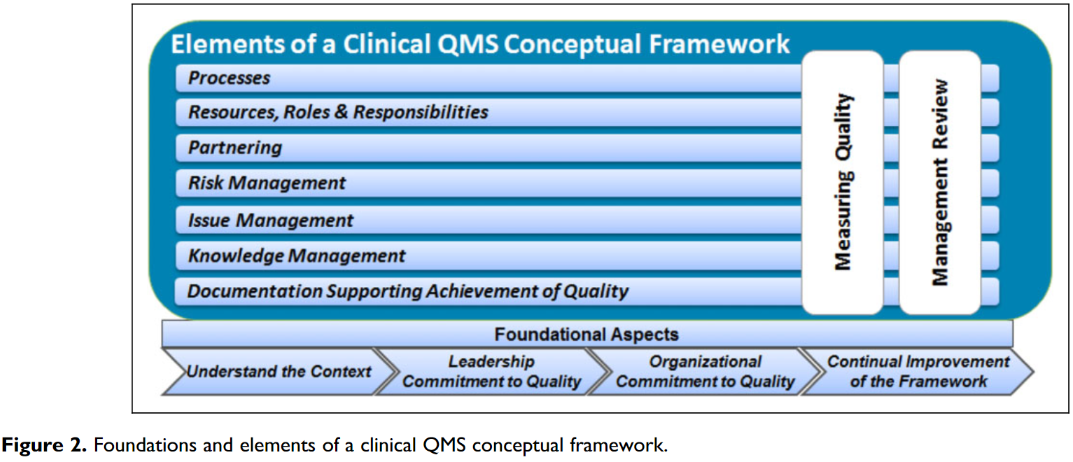
Components of the framework helps organization compartmentalize and deliver on the final vision and strategy. Key components within which we are foundational include:
- Understanding the context (Internal & External environments)
- Leadership Commitment to Quality (e.g., proactive risk mitigation)
- Organizational Commitment (e.g., ownership by everyone)
- Continuous Improvement (e.g., never satisfied with status quo)
https://journals.sagepub.com/doi/pdf/10.1177/2168479015596018
3.1 - Interlocking SIPOCs
Interlocking SIPOCs: Bringing Lean Strategies into the Digital Age
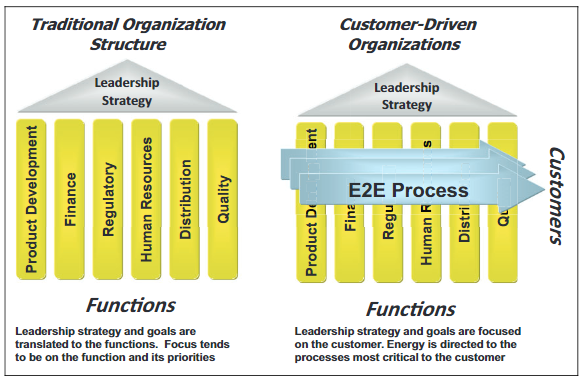
Process management is obviously important in any organization that is looking to achieve scalability and repeatability and thereby a strategy for building integrated processes at various levels of the organization is required. A method by which one can achieve these processes is through interlocking SIPOCs whereby the output of one process is the input of another process. In such a way, your creating a series of processes that can be linked into a graphical network thereby driving at transparency and clearly defined accountabilities. Within the community of knowledge management, this is done via linked data or semantic web.
Components of the framework
- Define and Characterize Processes (Processes at varying levels of the organization - See Interlocking SIPOCs)
- Determine Process Documentation strategy (Process map then documentation - digital workflows)
- Drive Flawless execution through a learning approach (drives at recording the actual process not just theoretical)
- Monitor and improve process performance (Digital signatures of volume, veracity, velocity need to be taken into account)
https://link.springer.com/content/pdf/10.1177/2168479018817751.pdf
3.2 - Knowledge Management
A Knowledge Management Framework and Approach for Clinical Development
Knowledge management is probably one of the most difficult problems to tackle in this modern digital age for the shear volume, veracity, variety and velocity at which new content is generated makes it difficult to reassemble if deliberate actions for organization and tagging where not taken before hand. Fortunately there’s hope, for we’re not in this alone, literally the entire world is struggling with this problems and scientists, technologists, engineers and mathematicians (STEM) have been deliberately attacking this problem through the creation of art (visualizations) - thereby transforming STEM to STEAM.
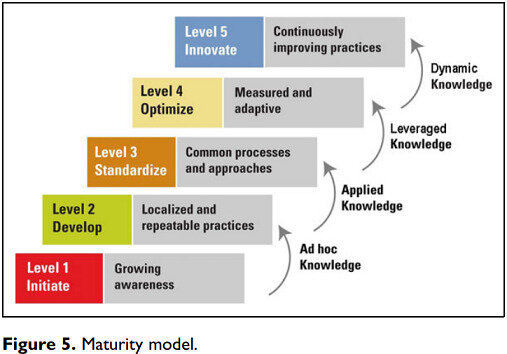
Driving a knowledge management framework in an organization enables exchange of information between people and systems seamlessly and deliberately which enables:
- Lowers errors due to lack of data transcription (i.e., copy/paste)
- More repeatable and predictable outcomes leading to increased flexibility and agility for the business
- Ultimately drives innovation and continuous improvement practices within the ecosystem of systems and humans (i.e., get the systems working for humans not the other way around)
https://link.springer.com/content/pdf/10.1177/2168479016664773.pdf
3.3 - Risk Framework
Quality Risk Management Framework: Guidance for Successful Implementation of Risk in Clinical Development
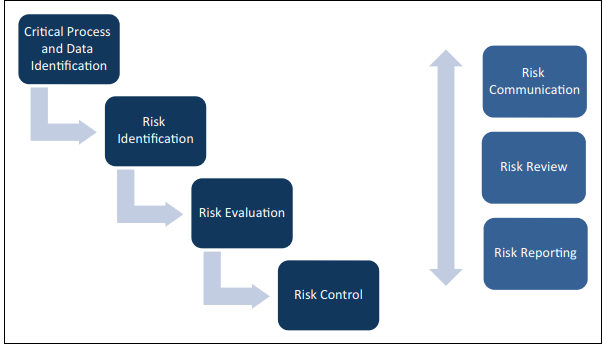
Risk management is a key term used across many organizations as an effective means to communicate broader sustained exposures to the organization and thereby drive a more end to end mindset focused upon the patients safety and efficacy. The critical component on establishing an effective risk management framework is following the entire 4 step process as outlined below.
The minimal requirements for an effective risk management methodology based on ICH E6(2):
- Critical Process and Data Identification (e.g., prior to identification of critical - you need to define the process itself - hence the homosapien bioreactor work)
- Risk Identification (arises from the tracking between process steps and quality attributes/KPI’s associated)
- Risk Evaluation (further refinement of risk identification for prioritization)
- Risk Control (defining the mechanisms you are going to take to control those risks)
https://link.springer.com/content/pdf/10.1177/2168479018817752.pdf